

Introduction
In the industrial packaging world, businesses constantly face a critical choice: packaging that’s inexpensive but underperforms vs packaging that costs more upfront but delivers measurable operational value. Block bottom bags, especially in formats like Ad*Star block bottom bags, have emerged as a leading choice for industries that require strength, consistency, and efficiency—think cement, fertilizer, chemicals, minerals, and dry bulk commodities.
But the question remains: Are block bottom bags worth the investment? The short answer: yes—when viewed through the lens of total cost of ownership and long-term performance rather than initial purchase price. In this blog, we’ll break down the cost vs performance equation to help you make an informed packaging decision that aligns with your operational and financial goals.
What Makes Block Bottom Bags Different?
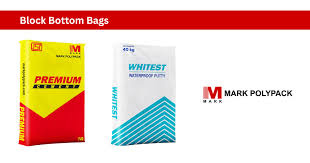
Before we dive into cost comparisons, it’s important to understand what block bottom bags are and how they differ from traditional packaging:
- Flat, stand-up base: Instead of a sewn or gusseted bottom, block bottom bags have a rectangular base that enables them to stand upright without support.
- Ultrasonic sealing: Many block bottom bags use sealing technology that eliminates stitching holes, reducing leakage and increasing strength.
- Uniform structure: The design supports consistent shape, better stackability, and improved handling efficiency.
These functional improvements have ripple effects across the supply chain—which is where performance value begins to outweigh initial costs.
Upfront Cost: What You Pay
At first glance, block bottom bags may seem more expensive than traditional stitched woven bags or paper packaging due to:
- Advanced manufacturing techniques (e.g., ultrasonic sealing)
- Higher-quality woven polypropylene material
- Better printing and branding surface options
However, this initial cost should be the starting point—not the bottom line.
Performance Benefits That Save Money Long-Term
1. Reduced Product Loss
Traditional bags with stitched seams often allow fine materials (like cement, fertilizer, or chemical powders) to escape through needle holes, increasing product loss over time. Block bottom bags eliminate needle holes and maintain a tighter seal, resulting in:
- Less wasted material
- Lower cleanup costs
- Better compliance with shipping and handling standards
These savings quickly add up—especially for bulk or fine powder products.
2. Improved Stackability and Storage Efficiency
Block bottom bags sit flat and stable, which means:
- Efficient vertical stacking
- Better use of warehouse space
- Reduced risk of toppling and product damage
In operational environments where space—and safe stacking—matters, this translates directly into cost benefits. Optimized storage reduces inventory damage and shrinkage.
3. Fewer Handling Issues and Delays
Block bottom bags hold their shape, making them easier to handle on conveyors, pallets, and forklifts. This leads to:
- Fewer interruptions on filling and packaging lines
- Less downtime from bag malfunctions
- Faster and smoother warehouse operations
When your packaging performs consistently, your team can stay focused on productivity—not troubleshooting.
4. Compatibility With Automated Packaging Lines
Modern block bottom bags are designed to work seamlessly with automated filling systems. This has a cascading impact on performance:
- Higher fill speeds
- Reduced labor costs
- Fewer manual interventions
Automation friendly packaging is a long-term investment that boosts throughput and accuracy.
5. Enhanced Brand Value and Professional Presentation
Packaging is often the first physical touchpoint with your product. Block bottom bags:
- Create a polished, professional look
- Showcase clear, distortion-free branding
- Improve perception of product quality
While “brand value” is harder to quantify, businesses that present consistently professional packaging often enjoy stronger market trust and customer loyalty.
Real-World Scenarios: Where Block Bottom Bags Win
Scenario: Cement Manufacturer
Traditional stitched bags may leak fine powder and suffer toppling in storage yards, increasing waste and damage. Switching to block bottom bags reduces product loss, minimizes dust, and improves stack integrity during shipping.
Scenario: Fertilizer Producer
Moisture, abrasion, and stacking pressure challenge conventional bags. Block bottom bags keep their shape, protect contents, and ensure farmers receive consistent quality—all while reducing returns and complaints.
Scenario: Chemical Packaging
Fine chemical powders and granules demand tight sealing and contamination control. The ultrasonic seals in block bottom bags help maintain product purity and regulatory compliance without costly rework.
In each case, performance improvements outweigh the incremental cost difference.
How to Evaluate Cost vs Performance for Your Business
To determine whether block bottom bags are worth the investment for your operation, consider these key metrics:
1. Cost Per Unit vs Cost Per Use
A cheaper bag may save money per unit, but if it underperforms and increases waste or damage, your cost per use is higher. Block bottom bags may cost more upfront but reduce total costs throughout the supply chain.
2. Operational Downtime
Calculate how much downtime occurs due to bag failure, manual handling, or rework. Reducing even small amounts of downtime can significantly improve overall productivity.
3. Waste and Product Loss
If product leakage is measurable, find the value of product saved by switching to better-sealed packaging. This is often one of the largest areas where block bottom bags pay off.
4. Storage and Transportation Efficiency
Better stackability and stability reduce damage during transport and storage, lowering costs associated with shrinkage and repackaging.
Sustainability Considerations
Block bottom bags also support sustainability goals:
- Reduced product waste
- Longer bag life and fewer replacements
- Recyclable polypropylene material
- Better transport efficiency (fewer trips, lower fuel use)
These factors may also contribute to environmental certifications or CSR reporting in today’s eco-focused marketplace.
Also Read: Industries That Benefit Most from Block Bottom Bags
Final Thoughts
When evaluating block bottom bags purely on upfront cost, it’s easy to overlook their operational value. But performance—in the form of reduced product loss, enhanced handling, automation compatibility, and storage efficiency—translates into real cost savings over time.
Block bottom bags are not just packaging—they’re an investment in reliability, productivity, and long-term operational strength. For high-volume industries where product quality, handling precision, and supply chain efficiency matter, this technology is worth serious consideration.