
Introduction
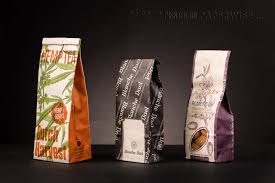
Pharmaceutical products require packaging that prioritizes safety, stability, and compliance. From powders and granules to supplements and small medical devices, protecting the integrity of the product is essential. Among the many packaging solutions available, block bottom bags have gained attention in various industries for their durability and efficiency. But are they suitable for pharmaceutical applications? Let’s explore their benefits, limitations, and practical considerations.
What Are Block Bottom Bags?
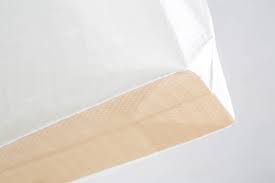
Block bottom bags are a type of flexible packaging that features a flat, stable base, allowing the bag to stand upright on shelves or during storage. They are usually made from paper, plastic, laminates, or a combination of materials and can include multiple layers to improve barrier properties. The flat-bottom design maximizes storage efficiency, improves shelf presentation, and allows for higher-volume filling compared to traditional pillow-style bags.
In addition to retail applications, block bottom bags are widely used in the food, beverage, and agricultural industries, where maintaining product quality, freshness, and stability is critical.
Key Benefits of Block Bottom Bags
- Stability and Shelf Presence
The block bottom design allows the bag to stand upright, reducing the risk of spillage during transport or storage. For pharmaceutical products, this stability ensures that powders, granules, or capsules remain contained and organized. - Customizable Barrier Properties
Depending on the materials used, block bottom bags can offer moisture, oxygen, and light barriers. This is crucial for sensitive pharmaceuticals, where exposure to environmental factors can degrade the product, reduce efficacy, or affect shelf life. - Ease of Handling and Filling
The wide base makes automated filling and packing easier, reducing handling errors. For pharmaceutical manufacturers, this can translate into more consistent product dosing and efficient production lines. - Branding and Labeling Opportunities
Block bottom bags provide a flat surface suitable for printing or labeling. This allows manufacturers to include important product information, dosage instructions, and compliance marks clearly and professionally.
Considerations for Pharmaceutical Use
While block bottom bags offer several advantages, using them for pharmaceutical packaging comes with specific considerations:
- Regulatory Compliance
Pharmaceutical packaging must comply with strict regulations, including FDA or WHO guidelines, depending on the region. Materials used in block bottom bags must be tested for safety, non-toxicity, and suitability for direct contact with pharmaceuticals. - Barrier Performance
Not all block bottom bags provide the level of barrier protection required for sensitive medications. Pharmaceutical-grade products often need bags with multilayer laminates, foil linings, or moisture-proof coatings to prevent degradation. - Sealing and Tamper Evidence
Unlike blister packs or rigid containers, flexible block bottom bags may require additional sealing methods, such as heat-sealing or tamper-evident closures, to ensure product integrity. This is especially important for controlled substances or products prone to contamination. - Storage and Environmental Control
Even with protective layers, some block bottom bags may be sensitive to extreme temperatures, humidity, or light. Proper storage conditions remain critical to maintaining pharmaceutical stability.
Best Practices for Pharmaceutical Block Bottom Bags
- Select Pharmaceutical-Grade Materials: Only use bags specifically designed for medical or pharmaceutical use, which are certified for safety and compliance.
- Use Multi-Layer Laminates: Incorporate layers that provide moisture, oxygen, and light protection for sensitive products.
- Include Tamper-Evident Features: Heat seals, zip-lock closures, or shrink bands can improve safety and compliance.
- Label Clearly and Accurately: Include dosage instructions, expiration dates, batch numbers, and regulatory compliance marks.
- Test for Stability: Conduct storage and stress tests to ensure that the packaging preserves product quality throughout its shelf life.
Are Block Bottom Bags the Right Choice?
Block bottom bags can be suitable for certain pharmaceutical products, particularly powders, granules, supplements, or over-the-counter items that require a flexible, cost-effective, and shelf-stable solution. They excel in improving storage efficiency, branding, and handling but must meet strict regulatory standards and provide sufficient barrier protection.
For highly sensitive drugs, controlled substances, or liquid formulations, rigid containers, blister packs, or specialized pouches may still be preferable. Ultimately, the decision depends on the product type, regulatory requirements, and the manufacturer’s priorities regarding shelf life, safety, and branding.
Also Read: Cost vs Performance: Are Block Bottom Bags Worth the Investment?
Final Thoughts
Block bottom bags offer versatility, stability, and a professional appearance, making them a viable option for pharmaceutical packaging in certain scenarios. When designed with the right materials, tested for barrier performance, and equipped with tamper-evident features, they can protect products while providing a cost-effective, user-friendly solution.
Pharmaceutical manufacturers must carefully evaluate the product’s sensitivity, regulatory obligations, and storage needs before choosing block bottom bags. With the proper design and quality control, these bags can combine functionality, branding opportunities, and convenience—making them an increasingly attractive choice for modern pharmaceutical packaging.