
Introduction
Packaging is no longer just about containment. In today’s competitive retail and wholesale environments, packaging plays a critical role in product protection, brand visibility, shelf efficiency, and consumer perception. Among the many modern packaging formats available, block bottom bags have emerged as a preferred solution for brands looking to balance functionality with strong visual appeal. Their unique structure offers advantages that go far beyond aesthetics, particularly when it comes to shelf stability and presentation.
Block bottom bags are increasingly used across industries such as food, agriculture, pet care, chemicals, and retail goods. Their design allows products to stand upright with confidence, maintain shape during storage and transport, and create a clean, premium look on store shelves. Understanding how these bags enhance shelf stability and presentation helps explain why they are becoming a standard choice in modern packaging strategies.
Understanding the Structure of Block Bottom Bags
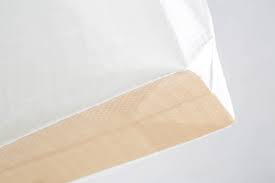
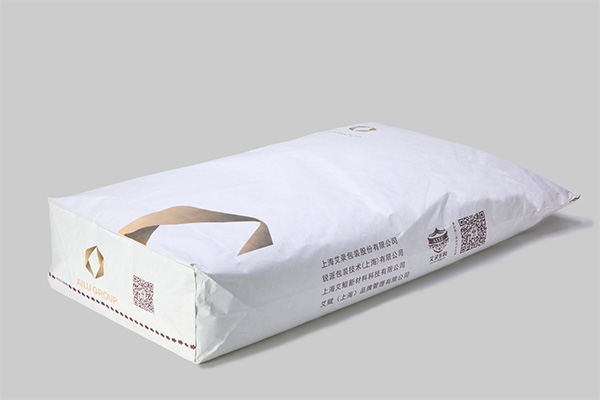
Block bottom bags are designed with a flat, reinforced base that allows them to stand upright without external support. Unlike traditional pillow bags or gusseted bags that tend to collapse or tip over, block bottom bags form a solid, box-like shape once filled.
This structure is achieved through a combination of folded corners, sealed edges, and a square or rectangular base. The result is a stable foundation that distributes weight evenly across the bottom of the bag. This structural integrity is essential for maintaining balance, especially when bags are stacked or displayed vertically on shelves.
Because the bag naturally holds its shape, it eliminates the need for secondary packaging or shelf supports, making it both practical and cost-effective.
1. Improved Shelf Stability for Retail Environments
Shelf stability is one of the most important functional benefits of block bottom bags. Products that fall over, slump, or slide forward not only look unappealing but also create operational challenges for retailers.
Block bottom bags remain upright even when shelves are partially stocked or frequently handled by customers. Their flat base prevents tipping, while the rigid structure resists deformation. This makes them ideal for high-traffic retail settings where products are constantly moved, picked up, and replaced.
For heavier contents such as grains, coffee beans, pet food, or powdered products, the reinforced bottom ensures that the bag does not sag or burst under pressure. This stability reduces product damage, minimizes spills, and maintains a tidy shelf appearance throughout the day.
2. Efficient Use of Shelf Space
Retail shelf space is limited and valuable. Packaging that maximizes space efficiency gives brands a significant advantage. Block bottom bags are designed to align neatly next to one another, creating clean rows with minimal wasted space.
Their uniform shape allows retailers to place more products on a single shelf compared to irregular or flexible packaging formats. The straight edges and flat faces make it easier to organize displays, stack products evenly, and maintain consistent spacing.
This efficient use of shelf space benefits both retailers and brands. Retailers can stock more units, while brands gain greater visibility and stronger shelf presence without increasing display area.
3. Enhanced Front-Facing Presentation
Presentation is where block bottom bags truly stand out. The flat front and back panels provide large, uninterrupted surfaces that are ideal for branding, product information, and visual design.
Unlike rounded or crumpled packaging, block bottom bags maintain a smooth, upright face that keeps labels and graphics fully visible. This ensures that logos, product names, certifications, and marketing messages are easy to read at a glance.
The ability to present branding clearly is especially important in crowded retail environments where consumers make quick purchasing decisions. A well-designed block bottom bag can communicate quality, trust, and professionalism within seconds.
4. Creating a Premium and Structured Look
Consumers often associate structured packaging with higher quality. Block bottom bags naturally convey a sense of order, durability, and refinement. Their box-like appearance resembles premium cartons or rigid packaging while retaining the flexibility and efficiency of bags.
This premium look is particularly valuable for products positioned as high-quality, organic, artisanal, or specialty items. Coffee brands, gourmet food producers, and health-focused companies frequently choose block bottom bags to reinforce a premium brand image.
The clean lines and upright stance of these bags signal that the product inside is carefully packaged and thoughtfully presented, which can positively influence purchasing decisions.
5. Consistency Across Displays and Batches
Consistency is essential for building brand recognition. Block bottom bags help maintain a uniform appearance across multiple product units, even when they are filled, stored, or transported under varying conditions.
Because the bag holds its shape reliably, products look consistent whether the shelf is fully stocked or nearly empty. This consistency improves overall shelf aesthetics and reinforces brand identity.
For retailers, consistent packaging simplifies merchandising and reduces the need for constant shelf adjustments. For brands, it ensures that every unit on display represents the product accurately and attractively.
6. Improved Stability During Transportation and Storage
Shelf stability begins long before a product reaches the store. Block bottom bags are designed to perform well during transportation and warehousing, which directly affects how they appear on shelves.
The flat bottom and reinforced structure allow bags to be stacked securely on pallets without collapsing. This reduces shifting during transit and minimizes damage caused by uneven weight distribution.
Products that arrive at retail locations in better condition require less handling and reorganization, allowing shelves to be stocked quickly and efficiently. This logistical advantage supports better presentation from the moment products are unpacked.
7. Better Weight Distribution for Heavier Products
Many products packaged in block bottom bags are heavy or granular in nature. Traditional bags can struggle to support weight evenly, leading to bulging, tearing, or instability.
Block bottom bags distribute weight across the entire base rather than concentrating it at a single point. This reduces stress on seams and corners, improving durability and reducing the risk of failure.
From a presentation standpoint, even weight distribution helps the bag maintain its intended shape, ensuring it stands upright and looks polished regardless of content weight.
8. Enhanced Visibility and Brand Differentiation
In competitive retail environments, standing out is essential. Block bottom bags offer superior visibility compared to flexible packaging that slouches or folds under its own weight.
The upright structure positions products at eye level with a clear, forward-facing display. This improves brand recognition and makes it easier for consumers to locate products quickly.
Additionally, the multiple printable surfaces on block bottom bags allow for creative design elements on the front, back, and side panels. This multi-angle branding enhances visibility from different shelf positions and shopping angles.
9. Support for Clear Product Information Display
Modern consumers expect transparency. They want to see ingredients, usage instructions, certifications, and sustainability claims clearly displayed.
Block bottom bags provide ample space for detailed product information without overcrowding the design. The flat panels ensure text remains legible and graphics stay aligned.
This clarity improves consumer trust and reduces confusion, particularly for food, health, and industrial products where accurate information is critical.
10. Reduced Shelf Maintenance for Retailers
Unstable packaging often requires frequent shelf maintenance. Products that tip over or slump forward must be constantly rearranged, increasing labor costs and disrupting store operations.
Block bottom bags significantly reduce this issue. Their stable structure keeps shelves neat with minimal intervention, even during busy shopping hours.
Retailers appreciate packaging that maintains order effortlessly, which can influence their willingness to stock and promote certain products.
11. Improved Presentation for Bulk and Industrial Products
Block bottom bags are not limited to consumer retail. They are widely used for bulk and industrial products such as agricultural goods, construction materials, chemicals, and animal feed.
In these settings, shelf stability translates to warehouse efficiency and workplace safety. Bags that stand upright and stack evenly reduce the risk of spills, accidents, and damage.
Clear labeling and consistent presentation also make it easier for workers to identify products quickly, improving operational efficiency.
12. Compatibility With Sustainable Packaging Goals
Sustainability is increasingly influencing packaging choices. Many block bottom bags are made from recyclable paper, mono-material plastics, or hybrid structures designed for reduced environmental impact.
From a presentation perspective, eco-friendly packaging aligns with consumer values and enhances brand reputation. A stable, well-presented block bottom bag made from sustainable materials sends a strong message about responsibility and quality.
The durability of these bags also reduces waste caused by damaged packaging, supporting sustainability goals throughout the supply chain.
13. Customization and Design Flexibility
Block bottom bags offer extensive customization options that further enhance shelf presentation. Brands can choose from various sizes, materials, finishes, and printing techniques to create packaging that aligns with their identity.
Features such as matte or glossy finishes, window panels, resealable closures, and high-quality printing elevate both functionality and aesthetics. These design elements work best when supported by a stable structure that keeps the bag upright and intact.
Customization allows brands to adapt block bottom bags to different product lines while maintaining consistent shelf presence.
14. Long-Term Impact on Brand Perception
Packaging influences how consumers perceive a brand over time. Consistently well-presented products build trust and recognition.
Block bottom bags contribute to a positive brand experience by delivering stability, clarity, and visual appeal. When consumers repeatedly encounter products that look organized, premium, and easy to handle, it reinforces confidence in the brand.
This long-term impact goes beyond individual purchases, supporting brand loyalty and repeat buying behavior.
Why Block Bottom Bags Are Becoming the Preferred Choice
The growing popularity of block bottom bags is driven by their ability to meet both functional and aesthetic demands. They offer superior shelf stability, efficient space utilization, and a polished presentation that appeals to modern consumers.
As retail environments become more competitive and visually driven, packaging that enhances shelf presence is no longer optional. Block bottom bags provide a reliable solution that supports product integrity, brand visibility, and operational efficiency.
Also Read: Why Block Bottom Bags Are Ideal for Fertilizer and Feed Packaging
Final Thoughts
Block bottom bags improve shelf stability and presentation by combining smart structural design with strong visual performance. Their flat base, reinforced construction, and upright stance create a packaging format that stands confidently on shelves, protects products, and showcases branding effectively.
From retail displays to bulk storage, these bags offer consistent benefits across industries. By enhancing stability, maximizing shelf space, and delivering a clean, premium look, block bottom bags help brands make a lasting impression where it matters most—right in front of the customer.
In a market where packaging plays a decisive role in purchasing decisions, block bottom bags represent a forward-thinking solution that aligns practicality with presentation.