
Introduction
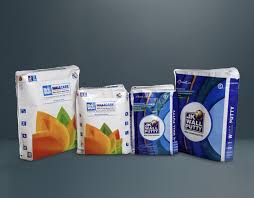
In industries like agriculture, livestock care, and large-scale food production, packaging isn’t just about looks—it’s about durability, storage efficiency, and product safety. Fertilizers and animal feed, in particular, require strong and reliable packaging that can handle weight, resist moisture, and survive tough handling during transport. Among the different packaging formats available today, block bottom bags have emerged as one of the most dependable options.
Their unique design, high stacking strength, and exceptional durability make them a perfect match for heavy, granular, or powdered materials. Let’s explore what makes block bottom bags the go-to choice for fertilizer brands and feed manufacturers worldwide.
A Stable and Self-Standing Design
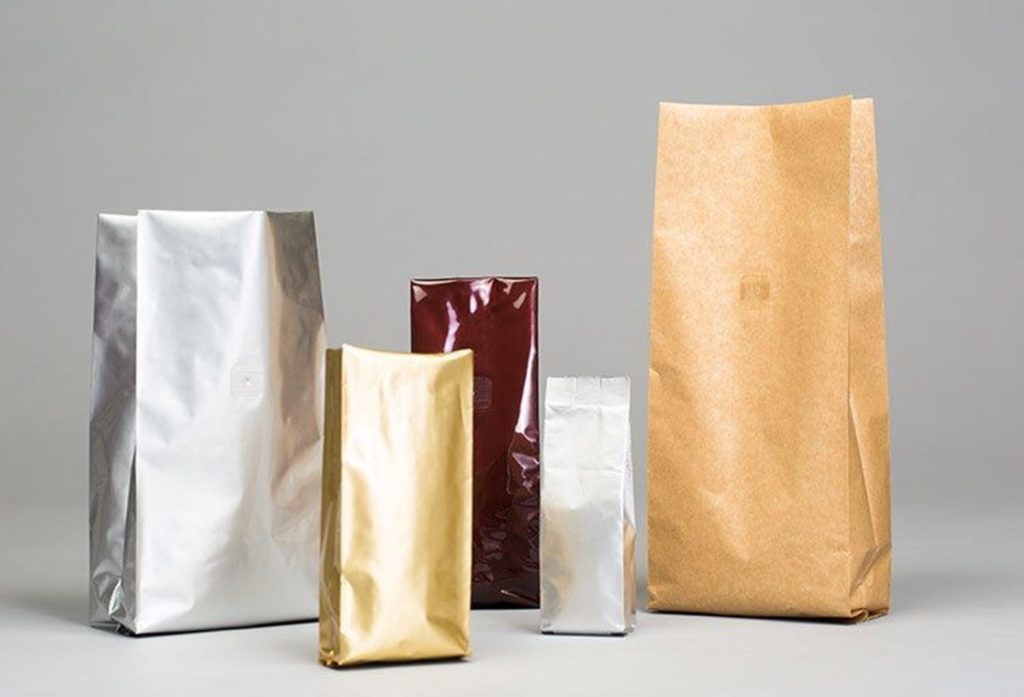
One of the biggest advantages of block bottom bags is their shape. Unlike traditional woven or poly bags that tend to slump or roll over, block bottom bags feature a flat, stable base that allows them to stand upright without support.
For fertilizer and feed suppliers, this has several benefits:
- Easier filling during production
- Better presentation on retail floors
- Reduced risk of bags tipping over during storage
- More organized stacking in warehouses
This self-standing design also helps maintain packaging integrity, especially when stacked high on pallets.
Enhanced Strength for Heavy Loads
Fertilizer and feed bags need to withstand significant weight—often 25 kg, 40 kg, or even 50 kg per bag. Block bottom bags excel in this area, thanks to their woven polypropylene structure and laminated finishing.
They offer:
- High tensile strength
- Superior tear resistance
- Low risk of bursting during transport
Their reinforced corners and efficient load distribution ensure that even sharp or compact materials do not cause damage. This reliability dramatically reduces product losses and spillage during handling.
Excellent Moisture and UV Protection
Moisture is one of the biggest threats to fertilizers and animal feed. Humidity, accidental water exposure, and condensation can degrade product quality, cause clumping, reduce nutrient value, or lead to spoilage. Block bottom bags, especially those with BOPP lamination, offer exceptional protection against moisture.
These bags often come with:
- Water-resistant lamination
- UV-stabilized materials for outdoor storage
- Improved barrier properties for longer shelf life
This helps maintain product quality from the factory to the end consumer, even in challenging climates.
Efficient Stacking and Space Optimization
The block-like structure of these bags makes stacking far more efficient. In warehouses, trucks, and shipping containers, they create perfectly aligned, tight stacks that maximize space—and minimize movement.
Better stacking leads to:
- Higher transport efficiency
- Reduced storage costs
- Less shifting and damage during transit
For businesses handling bulk materials, even small improvements in logistics efficiency translate to significant cost savings.
Cleaner, More Secure Packaging
Fertilizer particles and feed ingredients are often prone to creating dust or escaping through small gaps in traditional bags. Block bottom bags are typically tightly woven and completely laminated, reducing the chance of leakage.
This ensures:
- Cleaner handling
- Reduced product loss
- A more hygienic experience for transport operators and retailers
In sectors where regulatory standards are tightening, this secure packaging adds an extra layer of compliance and safety.
Better Branding and Print Quality
Visual impact matters—even for fertilizers and animal feed. Brands today want packaging that communicates quality and stands out on shelves. Block bottom bags are excellent for premium printing because of their BOPP laminated surface.
They support:
- High-resolution, photo-like graphics
- Vibrant colors
- Multi-side printing
- Gloss or matte finishes
This gives manufacturers the freedom to highlight key product information, brand identity, and certifications clearly—without worrying about print wear or fading.
Cost-Effective for Large-Scale Operations
Despite their premium appearance and impressive strength, block bottom bags remain surprisingly cost-effective for large-scale operations. Their rugged build significantly reduces the likelihood of tears, punctures, or bursting, which means fewer product losses during handling and transport. Over time, this alone helps companies save substantial amounts that would otherwise be lost to damaged goods.
Their neat, space-efficient stacking also plays a big role in lowering logistics expenses. Because block bottom bags create tight, uniform stacks, businesses can load more product into each truck, container, or warehouse shelf. This improved efficiency translates to fewer trips, better fuel usage, and more streamlined storage planning.
Another major cost benefit lies in their extended shelf life. Block bottom bags are designed to withstand moisture, UV exposure, and rough handling without degrading quickly. As a result, manufacturers and distributors deal with fewer returns, fewer repackaging needs, and less waste overall.
When you add all of these advantages together—and consider how well these bags preserve the freshness, texture, and integrity of fertilizers and feed—the return on investment becomes crystal clear. Block bottom bags not only protect the product but also elevate operational efficiency, making them a smart, long-term packaging choice for businesses aiming to reduce costs without compromising on quality.
Eco-Friendly Options Are Now Available
Many manufacturers are now pushing the boundaries of sustainability by producing block bottom bags made from recyclable or partially recycled polypropylene. This shift supports the growing demand for environmentally responsible packaging, especially in agriculture and livestock sectors where bulk materials are used daily. What’s impressive is that these greener options don’t come with a trade-off in performance. Advances in material engineering ensure that recycled-content bags retain the same tensile strength, tear resistance, and moisture protection as their traditional counterparts.
For brands striving to reduce their carbon footprint, this means they can choose packaging that’s both durable and kinder to the planet. By integrating recycled materials into the production cycle, manufacturers help close the loop—reducing resource consumption, minimizing waste, and supporting a more circular approach to packaging. Over time, these innovations not only benefit the environment but also strengthen a company’s sustainability credibility, making eco-friendly block bottom bags a practical and responsible choice for the future.
Also Read: Understanding the Structure and Design of Block Bottom Bags
Final Thoughts
When it comes to heavy, moisture-sensitive materials like fertilizers and animal feed, the choice of packaging can make or break product quality. Block bottom bags deliver on every front—strength, stability, moisture protection, branding potential, and cost efficiency. Their well-engineered design meets the demands of modern supply chains, ensuring your products stay safe, clean, and market-ready from factory to field.