
Introduction
In modern packaging, protection matters just as much as presentation. For products sensitive to moisture and oxygen—such as food grains, coffee, pet food, chemicals, and agricultural goods—choosing the right packaging structure can directly affect shelf life, product quality, and customer satisfaction. This is where block bottom bags stand out.
Block bottom bags are not just valued for their stable shape and premium shelf appearance. Their true strength lies in their barrier properties, which help control moisture ingress and oxygen exposure. Understanding how these barriers work is essential for brands and manufacturers looking to reduce spoilage, preserve freshness, and maintain product integrity throughout storage and transportation.
Why Moisture and Oxygen Control Is Critical in Packaging
Moisture and oxygen are two of the biggest enemies of packaged products.
Moisture can lead to clumping, mold growth, texture changes, and microbial activity. Oxygen, on the other hand, accelerates oxidation, causing rancidity, loss of aroma, discoloration, and nutrient degradation. For products like coffee, dry foods, powdered ingredients, and seeds, even small exposure over time can significantly reduce quality.
Effective packaging must therefore act as a protective barrier, limiting the movement of water vapor and oxygen from the external environment into the bag.
Understanding the Structure of Block Bottom Bags
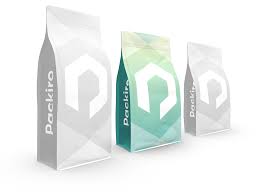
Block bottom bags are engineered with a unique construction that gives them a flat, rectangular base, allowing them to stand upright without support. But beyond aesthetics, their structure allows for multi-layer material combinations, which are key to barrier performance.
These bags are typically made using:
- Kraft paper layers
- Plastic films such as PE or PP
- BOPP lamination
- Aluminum foil or metallized films (in high-barrier applications)
Each layer plays a specific role in controlling moisture, oxygen, strength, and print quality.
How Barrier Properties Work in Block Bottom Bags
Barrier properties refer to a material’s ability to resist the transmission of gases and vapors. In block bottom bags, this resistance is achieved through layered material engineering rather than relying on a single substrate.
The effectiveness of a block bottom bag depends on:
- Material selection
- Layer thickness
- Lamination quality
- Sealing integrity
When properly designed, these bags create a controlled internal environment that helps preserve product quality for extended periods.
Moisture Barrier Performance in Block Bottom Bags
Moisture control is especially important for hygroscopic products—those that absorb water easily.
1. Role of Inner Liners and Plastic Films
Most block bottom bags designed for moisture-sensitive products include an inner liner made from polyethylene (PE) or polypropylene (PP). These materials have low water vapor transmission rates, significantly reducing moisture penetration.
In laminated block bottom bags, BOPP films further enhance moisture resistance while also improving surface durability and print clarity.
2. Kraft Paper with Barrier Coatings
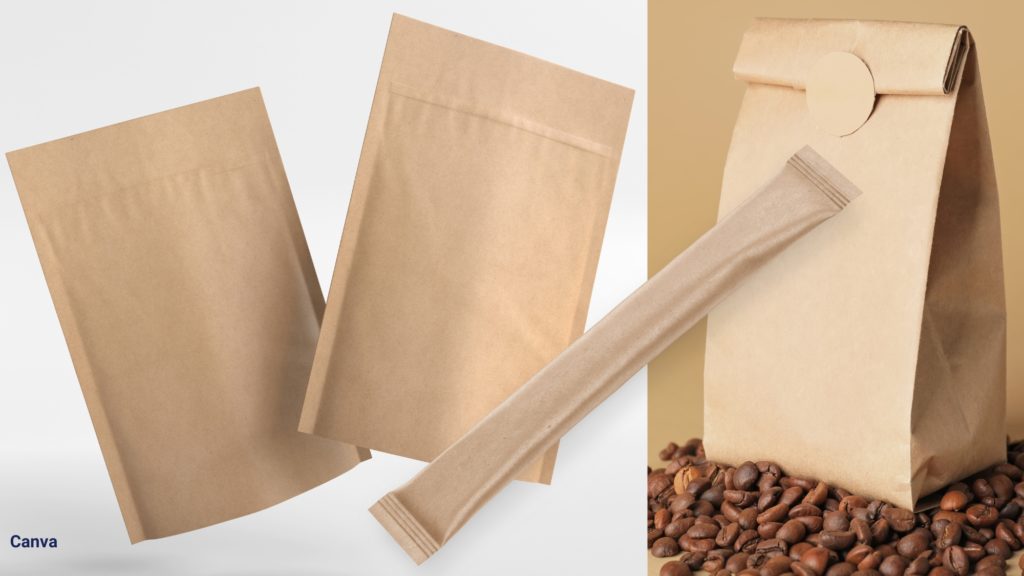
While kraft paper alone is not moisture-resistant, it becomes effective when combined with barrier coatings or laminated films. This hybrid structure allows manufacturers to balance sustainability with functional performance.
For products stored in humid environments or transported across varying climates, moisture-barrier block bottom bags offer consistent protection.
Oxygen Barrier Properties Explained
Oxygen control is essential for products prone to oxidation, such as coffee, nuts, animal feed, and certain chemicals.
1. Multi-Layer Film Technology
To restrict oxygen ingress, block bottom bags often use:
- EVOH (ethylene vinyl alcohol) layers
- Metallized films
- Aluminum foil laminates
These materials dramatically reduce oxygen transmission rates, helping maintain freshness, aroma, and chemical stability.
2. Sealing and Closure Integrity
Barrier materials alone are not enough. The effectiveness of oxygen control also depends on:
- Heat-sealed seams
- Valve integration (for coffee packaging)
- Proper closure systems
Even a high-barrier film can fail if sealing is inconsistent. Block bottom bag designs allow for precise sealing along edges and the base, reducing weak points where oxygen might enter.
BOPP Laminated Block Bottom Bags and Barrier Efficiency
BOPP-laminated block bottom bags are widely used in food and FMCG packaging because they combine visual appeal with strong barrier performance.
BOPP films:
- Resist moisture effectively
- Provide moderate oxygen barriers
- Enhance stiffness and durability
- Protect printed surfaces from abrasion
When combined with inner liners or additional barrier layers, BOPP-laminated bags deliver reliable protection while maintaining a premium retail appearance.
Applications Where Barrier Properties Matter Most
Block bottom bags with advanced barrier properties are commonly used in industries where product stability is critical.
1. Food and Beverage
Grains, flour, rice, coffee, tea, sugar, and dry snacks benefit from moisture and oxygen control to prevent spoilage and loss of flavor.
2. Pet Food and Animal Feed
Maintaining freshness and nutritional quality requires strong oxygen barriers and moisture resistance.
3. Agriculture and Seeds
Seeds require controlled humidity and oxygen levels to preserve viability and prevent premature degradation.
4. Chemicals and Industrial Products
Barrier protection prevents clumping, chemical reactions, and contamination during storage and transport.
Shelf Life Extension Through Barrier Design
One of the biggest advantages of high-barrier block bottom bags is extended shelf life. By limiting exposure to moisture and oxygen, these bags slow down degradation processes, allowing products to remain fresh and usable for longer periods.
For brands, this means:
- Reduced product returns
- Lower spoilage losses
- Improved customer trust
- Better performance in long-distance shipping
Shelf life extension is not just a quality issue—it directly impacts profitability and brand reputation.
Sustainability and Barrier Performance: Finding the Balance
Modern packaging demands both performance and environmental responsibility. Manufacturers are increasingly developing block bottom bags that combine effective barriers with recyclable or reduced-plastic materials.
Innovations include:
- Water-based barrier coatings
- Reduced-thickness plastic films
- Paper-based laminates with functional barriers
While fully compostable high-barrier solutions are still evolving, today’s block bottom bags already offer a practical balance between protection and sustainability.
Choosing the Right Barrier Level for Your Product
Not all products need maximum barrier protection. Over-engineering can increase costs without adding value. The key is matching the barrier level to the product’s sensitivity and storage conditions.
Consider factors such as:
- Product moisture content
- Shelf life requirements
- Storage and transport environment
- Regulatory and food safety standards
A well-designed block bottom bag delivers just the right level of moisture and oxygen control without unnecessary complexity.
Also Read: Are Block Bottom Bags Suitable for Pharmaceutical Packaging?
Final Thoughts
The barrier properties of block bottom bags are what truly make them a reliable packaging solution for moisture- and oxygen-sensitive products. Through smart material selection, multi-layer construction, and precise sealing, these bags protect product quality from production to point of sale.
For brands and manufacturers focused on freshness, shelf life, and customer satisfaction, block bottom bags offer a powerful combination of structural strength, visual appeal, and advanced barrier performance.