
Introduction
Choosing the right packaging can directly impact product protection, shelf appeal, logistics efficiency, and even brand perception. Two popular flexible packaging options often compared are block bottom bags and flat pouches.
At first glance, they may look similar — but structurally and functionally, they serve very different purposes.
Let’s break down the differences clearly so you can determine which option fits your product and business goals best.
What Are Block Bottom Bags?
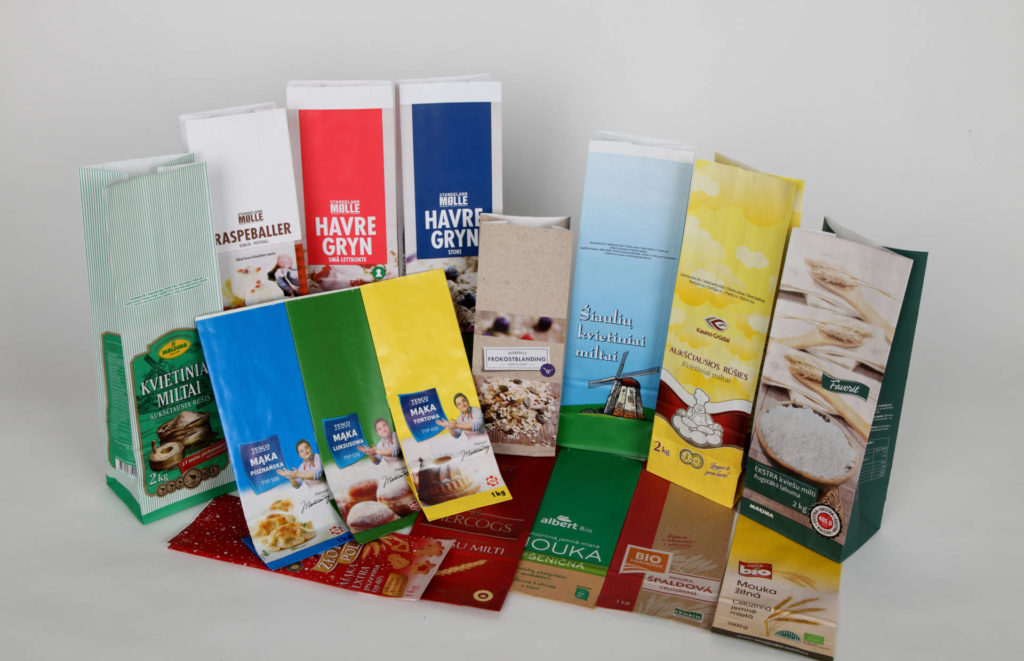
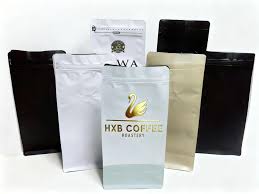
Block bottom bags (also called box pouches or square bottom bags) are designed with a flat, reinforced base and side gussets. This structure allows them to stand upright on shelves without additional support.
Key Features:
- Flat, stable bottom
- Side gussets for expanded capacity
- Excellent stacking ability
- Premium shelf presence
- Often used for heavier or bulk products
They are commonly used for:
- Coffee
- Pet food
- Flour and grains
- Fertilizers
- Industrial powders
The structured design makes them ideal for products that require durability and visual impact.
What Are Flat Pouches?
Flat pouches are simple, two-dimensional packaging solutions sealed on three or four sides. They do not have gussets or a structured base.
Key Features:
- Slim and lightweight
- Cost-effective
- Easy to produce
- Ideal for smaller quantities
- Takes up less storage space
Flat pouches are commonly used for:
- Spices
- Snacks
- Small food items
- Sample products
- Lightweight powders
They are efficient and economical for lower-weight products.
Structural Differences
The biggest distinction lies in construction.
| Feature | Block Bottom Bags | Flat Pouches |
|---|---|---|
| Base | Flat, reinforced | No structured base |
| Side Gussets | Yes | No |
| Shelf Stability | Stands upright | Lies flat unless supported |
| Capacity | Higher | Limited |
| Durability | Stronger | Moderate |
Block bottom bags are engineered for stability and strength. Flat pouches prioritize simplicity and cost efficiency.
Shelf Presence and Branding
Packaging isn’t just protection — it’s marketing.
Block Bottom Bags
- Stand upright naturally
- Offer multiple printable panels (front, back, sides)
- Create a premium, structured look
- Ideal for retail displays
Flat Pouches
- More compact visual footprint
- Limited printable surface area
- Often used in bulk bins or hanging displays
If shelf visibility is a priority, block bottom bags typically offer stronger visual impact.
Capacity and Weight Handling
Block bottom bags are designed to handle heavier products.
Their reinforced structure supports:
- Bulk grains
- Coffee beans
- Animal feed
- Construction materials
Flat pouches are better suited for:
- Small portions
- Lightweight items
- Sample sizes
For heavy-duty packaging, structure matters — and block bottom bags deliver more strength.
Cost Considerations
Flat pouches are generally more affordable due to simpler construction.
Block bottom bags may cost more because of:
- Additional material
- Complex manufacturing
- Reinforced structure
However, higher cost can translate into:
- Better shelf appeal
- Reduced product damage
- Improved stacking efficiency
The right choice depends on your budget and brand positioning.
Storage and Transportation Efficiency
Flat pouches:
- Take up minimal storage space
- Are lightweight
- Lower shipping costs for smaller items
Block bottom bags:
- Stack neatly
- Offer better pallet stability
- Reduce spillage risk for heavy goods
For industrial and bulk shipping, block bottom designs often improve logistics performance.
Product Protection
Block bottom bags often include:
- Multi-layer lamination
- Moisture barriers
- Oxygen protection
- Optional valve systems
Flat pouches can also include barrier properties, but may not provide the same level of structural integrity for bulk products.
Sustainability Considerations
Both packaging types can be manufactured using:
- Paper-based materials
- Recyclable films
- Laminated barrier layers
However, material composition varies widely depending on manufacturer and application.
Businesses focused on eco-friendly packaging should evaluate:
- Recyclability
- Material thickness
- Production footprint
When to Choose Block Bottom Bags
Block bottom bags are ideal if you:
- Sell medium to heavy products
- Want strong shelf presence
- Need structural stability
- Require premium branding space
- Ship bulk quantities
When to Choose Flat Pouches
Flat pouches work well if you:
- Sell lightweight or small products
- Need cost-effective packaging
- Offer samples or single-serve items
- Want compact storage
Can Both Be Used in the Same Brand?
Absolutely.
Many brands use:
- Flat pouches for sample or trial sizes
- Block bottom bags for full retail packages
This approach allows flexibility across product lines.
Final Verdict: Which Is Better?
There is no universal “better” option — only the better fit for your product.
Choose block bottom bags for durability, premium presentation, and heavier loads.
Choose flat pouches for simplicity, affordability, and lightweight packaging needs.
The key is aligning packaging structure with product weight, branding strategy, and distribution goals.